
Temporomandibular Joint (TMJ) Disorders and Chiropractic Care
The temporomandibular joint (TMJ) acts like a sliding hinge, connecting your jawbone to your skull. You have one joint on each side of your jaw. When functioning properly, these joints allow you to talk, chew, yawn, and move your jaw smoothly. However, when something affects the alignment or movement of the TMJ, it can lead to pain and dysfunction, commonly referred to as TMJ disorder or TMD.
Common Symptoms of TMJ Disorders Include:
-
Jaw pain or tenderness
-
Facial pain or discomfort
-
Clicking, popping, or grinding noises in the jaw
-
Difficulty or pain while chewing
-
Aching pain near the ear
-
Limited ability to open or close the mouth
-
Locking of the jaw joint
-
Headaches, neck stiffness, and even shoulder tension
How Chiropractic Care Can Help
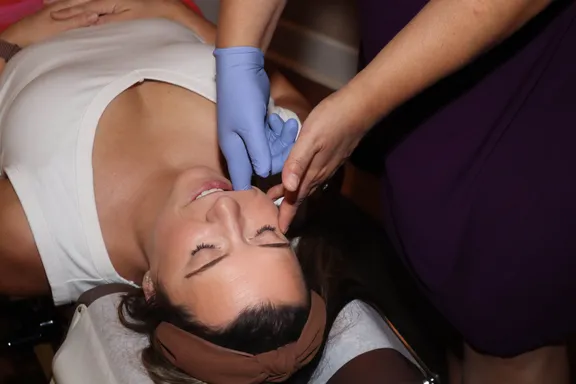
Chiropractic care focuses on restoring normal function to the joints and muscles, not only in the spine but also in other areas like the jaw. According to The Activator Method, Second Edition, the protocols used in chiropractic care aim to establish as close to normal biomechanics of the TMJ as possible. This helps relieve symptoms caused by abnormal jaw function and addresses accessory structures like muscles, tendons, ligaments, and even related spinal segments particularly in the cervical spine.
Chiropractors use gentle techniques to adjust the jaw, neck, and spine. These adjustments may help relieve pressure, improve joint mobility, and reduce muscle tension that contributes to TMJ dysfunction.
TMJ Disorders and Trauma
One of the most common, yet often overlooked, causes of TMJ dysfunction is trauma. This may include:
-
Auto accidents, especially those resulting in whiplash
-
Sports injuries or falls involving the head, neck, or jaw
-
Blows to the face
Even mild trauma can shift jaw alignment, affect surrounding muscles, or cause inflammation that leads to chronic TMJ issues. If you've recently experienced any type of trauma and are now dealing with jaw pain, clicking, or difficulty chewing, a chiropractic assessment can help determine whether your TMJ or cervical spine is involved.
Other Contributing Factors to TMJ Disorders
TMJ issues often result from a combination of physical, structural, and behavioral factors. These may include:
-
Clenching or grinding teeth (bruxism)
-
Misaligned bite (malocclusion) or missing teeth
-
Poor posture, especially forward head posture
-
Repetitive jaw use from gum chewing, singing, or long dental appointments
-
Joint hypermobility or disc displacement within the joint
-
Neck and upper spine dysfunction that alters jaw mechanics
Because the jaw is closely connected to the cervical spine and nervous system, chiropractic care addresses not just local jaw pain but also underlying biomechanical imbalances throughout the head, neck, and shoulders.
Schedule an Evaluation
If you are experiencing ongoing jaw pain, facial tension, or headaches especially following trauma or a recent accident chiropractic care may offer lasting relief. A thorough evaluation can help determine the root cause of your TMJ symptoms and create a care plan tailored to your needs.
According to The Activator Method, Second Edition, “the protocols and procedures used, seek to establish normal, or as near normal as possible, biomechanics of the TMJ in order to restore jaw function that are as normal as possible. This, in turn, relieves many of the symptoms associated with aberrant jaw mechanics.”18 The authors stated that “these adverse effects may involve accessory structures such as muscles, tendons, ligaments, and secondarily involved joint complexes (e.g. the cervical spine).”
Reference: Fuhr A.W. Elsevier; St Louis: 2009. The Activator method. 2nd ed. pp. 333–352.
TMJ FAQs – TMJ Pain Relief & Chiropractic Care in Tampa, FL
What is TMJ and why does it hurt?
The temporomandibular joint (TMJ) is the hinge that connects your jaw to your skull. When this joint becomes irritated, misaligned, or stressed, it can lead to TMJ disorder (TMD), causing jaw pain, headaches, and difficulty chewing.
What are the most common symptoms of TMJ disorders?
TMJ dysfunction can cause jaw pain, clicking or popping sounds, facial tension, ear pain, difficulty chewing, jaw locking, headaches, and even neck or shoulder pain. Many patients may also notice symptoms after dental work, stress, or a recent accident.
What causes TMJ pain?
Common causes include jaw clenching or grinding, stress, misaligned bite, trauma from auto accidents or sports injuries, whiplash, poor posture, and overuse from talking, chewing gum, or singing. TMJ issues are also linked to tight neck and upper back muscles.
Can TMJ cause headaches, neck pain, or ear pressure?
Yes. TMJ dysfunction often leads to tension headaches, neck stiffness, ear fullness, ringing in the ears (tinnitus), and facial muscle tightness. The jaw, neck, and head muscles are closely connected, so irritation in one area often affects the others.
How can a chiropractor help TMJ pain?
Our Chiropractor uses gentle, effective techniques to restore normal jaw movement and help reduce inflammation. Treatment may include:
-
TMJ adjustments
-
Cervical spine adjustments
-
Muscle and soft-tissue therapy
-
Postural correction
This approach helps relieve pressure, improve jaw mobility, and reduce muscle tension contributing to TMJ symptoms.
Can TMJ issues develop after an auto accident?
Absolutely. Whiplash or impact during a crash can shift the jaw or strain the neck muscles, leading to TMJ pain weeks or even months after the accident. Many TMJ patients in Tampa notice symptoms after auto injuries.
How long does TMJ treatment take?
This varies by patient. Some notice relief within a few visits, while chronic or trauma related cases may require more care. Addressing posture, daily habits, and muscle tension helps speed recovery.
Can TMJ pain get worse if untreated?
In many cases, yes. Ongoing clenching, misalignment, or muscle strain can increase inflammation and lead to chronic headaches, jaw locking, or worsening pain. Early evaluation helps prevent long term issues.
Is TMJ chronic, or can it be fixed?
TMJ doesn’t have to be permanent. With proper treatment especially when addressing both the jaw and cervical spine many patients experience significant improvement or full resolution of symptoms.
Categories: